When we think of great references in architecture, male names often come to mind. But the reality is that many women architects and designers have created some of the most innovative and inspiring spaces in the world.
For decades, many of these professionals have worked on projects that today are benchmarks in contemporary architecture, urban planning or interior design.
This International Women’s Day, from Efebé we want to focus on some of these figures. Architects who have left their mark with emblematic buildings, cultural spaces or projects that dialogue with the landscape and society.
Maybe you know these buildings. What you may not know is who designed them.
1. Hearst Castle – Julia Morgan
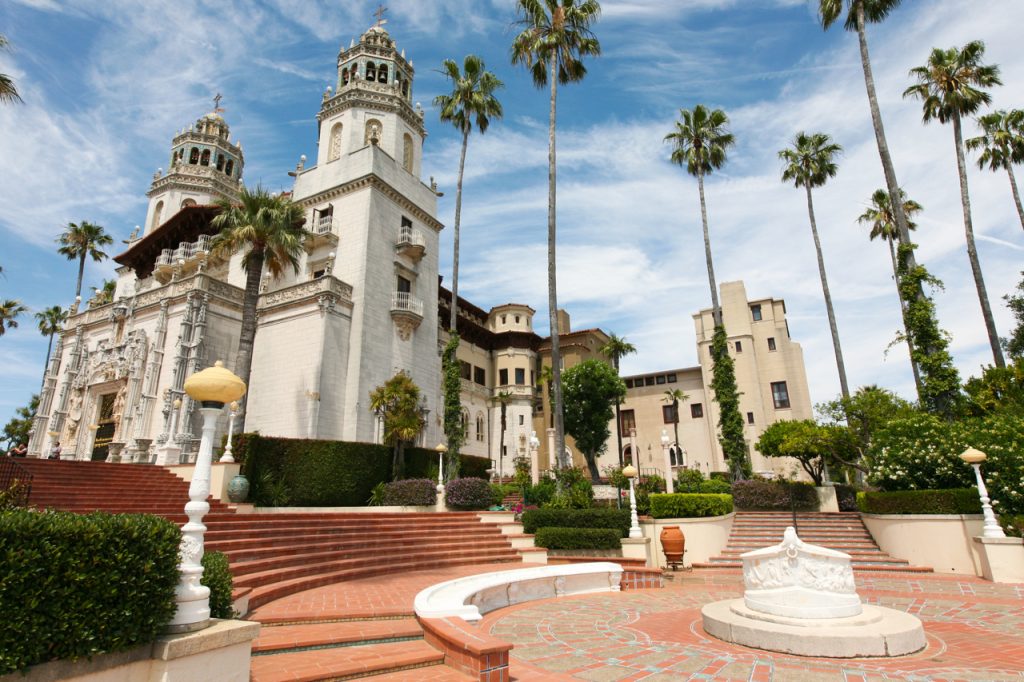
By Proimos – Own work, CC BY-SA 3.0, https://commons.wikimedia.org/w/index.php?curid=21649507
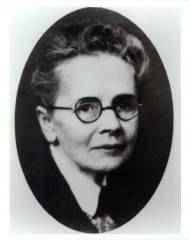
By Boyé Studio, San Francisco – https://digital.lib.calpoly.edu/rekl-2071, Public Domain, https://commons.wikimedia.org/w/index.php?curid=85460141
The Hearst Castle, located in San Simeon (California), is one of the most spectacular residential complexes in the United States. Behind this monumental project is Julia Morgan, a pioneering architect who marked the history of American architecture.
The complex, commissioned by tycoon William Randolph Hearst, was developed over several decades and includes palaces, gardens, monumental swimming pools and buildings inspired by Mediterranean architecture.
What makes this project particularly fascinating is its scale and architectural richness, but also the fact that it was led by a woman at a time when architecture was a practically male sector.
Julia Morgan went on to design more than 800 buildings throughout her career, becoming one of the most prolific figures in twentieth-century architecture.
2. House E-1027 – Eileen Gray
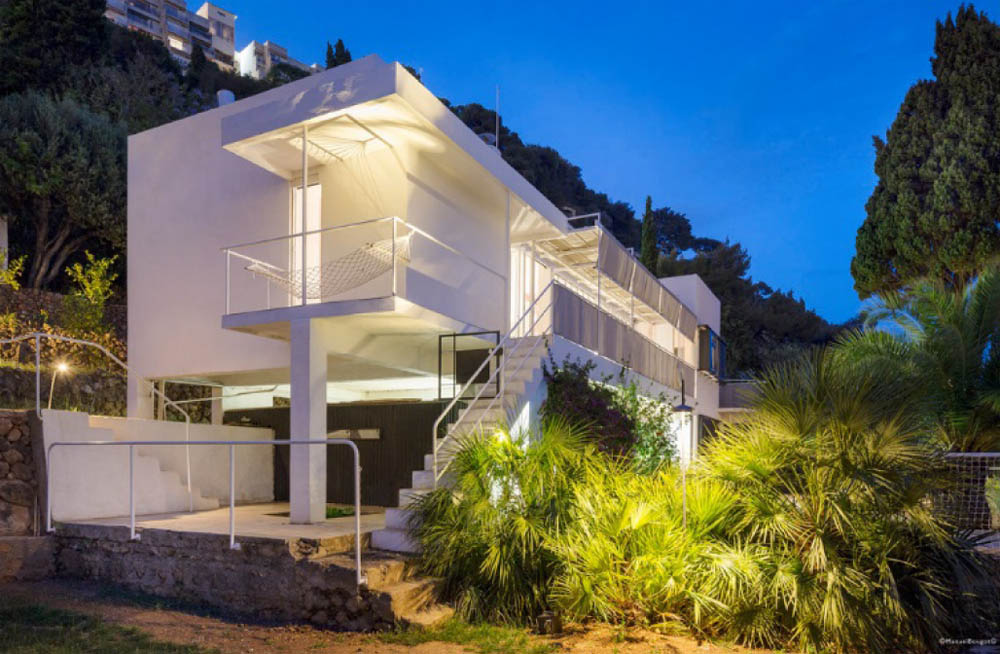
photograph Manuel Bougot www.manuelbougot.com. 2016
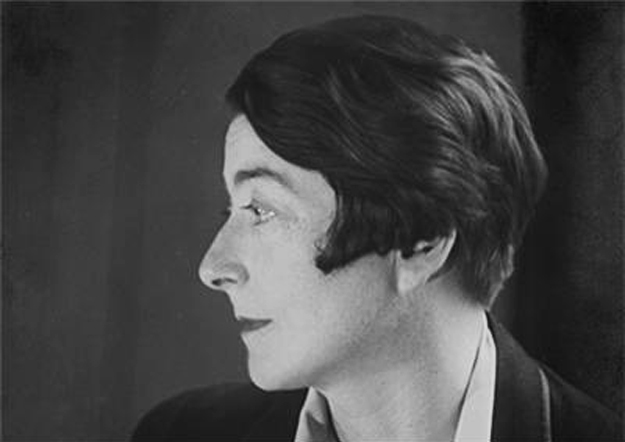
Portrait of designer and architect Eileen Gray (c. 1926). Photo: Wikimedia Commons (public domain)
On the French Côte d’Azur we find a house that revolutionized the way we understand modern housing: E-1027.
This project, designed by Irish architect and designer Eileen Gray, is much more than a house. It is an exploration of how architecture, furniture and everyday life can function as a single system.
The house was conceived thinking about the flexibility of the spaces, natural light and the relationship with the Mediterranean landscape. Many of the furniture was also designed by Gray herself, reinforcing the idea of a total design.
Today it is considered a key work of the European modernist movement, although for many years its value did not receive the recognition it deserved.
3. Aqua Tower – Jeanne Gang
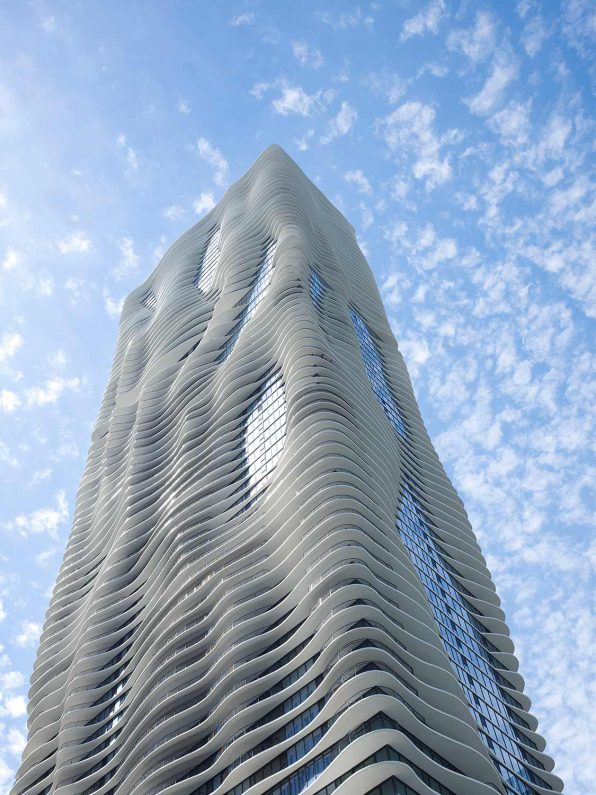
Photo: Steve Hall © Hedrich Blessing

By Kramesarah – Own work, CC BY-SA 4.0, https://commons.wikimedia.org/w/index.php?curid=59234493
Chicago’s Aqua Tower is a skyscraper that hardly goes unnoticed. Its undulating façade creates an organic profile reminiscent of the shapes of the landscape eroded by water.
The author of the project is Jeanne Gang, founder of the Studio Gang studio and one of the most influential architects in contemporary architecture.
Design does not respond only to an aesthetic issue. Irregular terraces contribute to improving shade, climatic comfort and the relationship between interior and exterior.
When it opened in 2010, the building became the tallest skyscraper in the world designed by a female architect.
4. Louvre-Lens Museum – Kazuyo Sejima
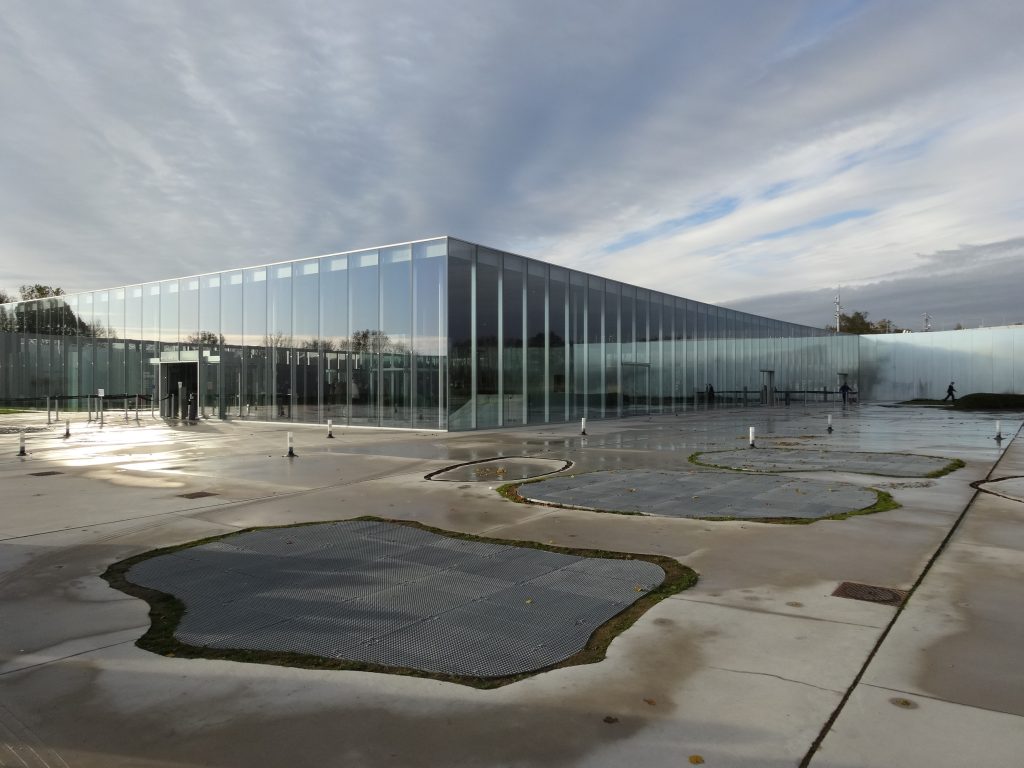
Photo by https://www.flickr.com/people/harry_nl/
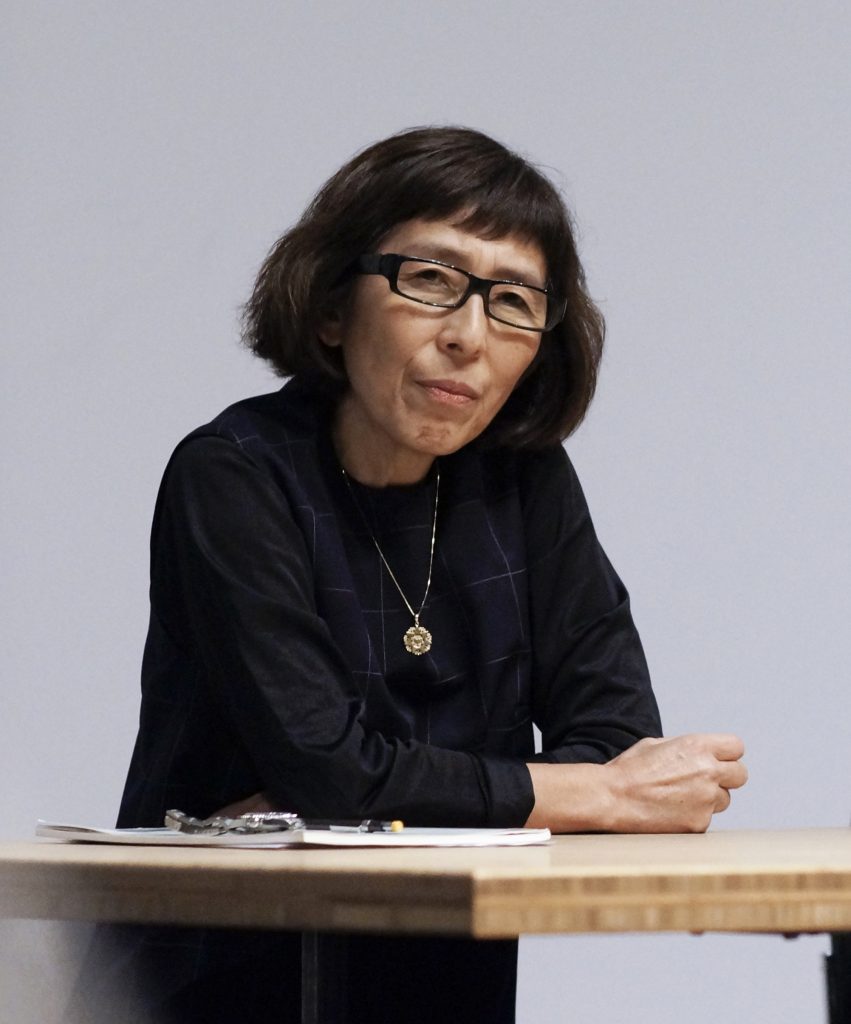
By Columbia GSAPP – https://www.flickr.com/photos/gsapponline/15137242547/, CC BY 2.0, https://commons.wikimedia.org/w/index.php?curid=87552014
The Louvre-Lens, in northern France, is a contemporary reinterpretation of the concept of a museum.
The project was designed by Kazuyo Sejima, a Japanese architect and co-founder of the Pritzker Prize-winning studio SANAA.
The museum’s architecture is committed to radical transparency and a horizontal scale, with aluminium and glass pavilions that integrate with the landscape.
The result is a museum that seeks to eliminate barriers between art, architecture and the environment, offering an experience very different from the monumentality of classical museums.
5. Şakirin Mosque — Zeynep Fadıllıoğlu
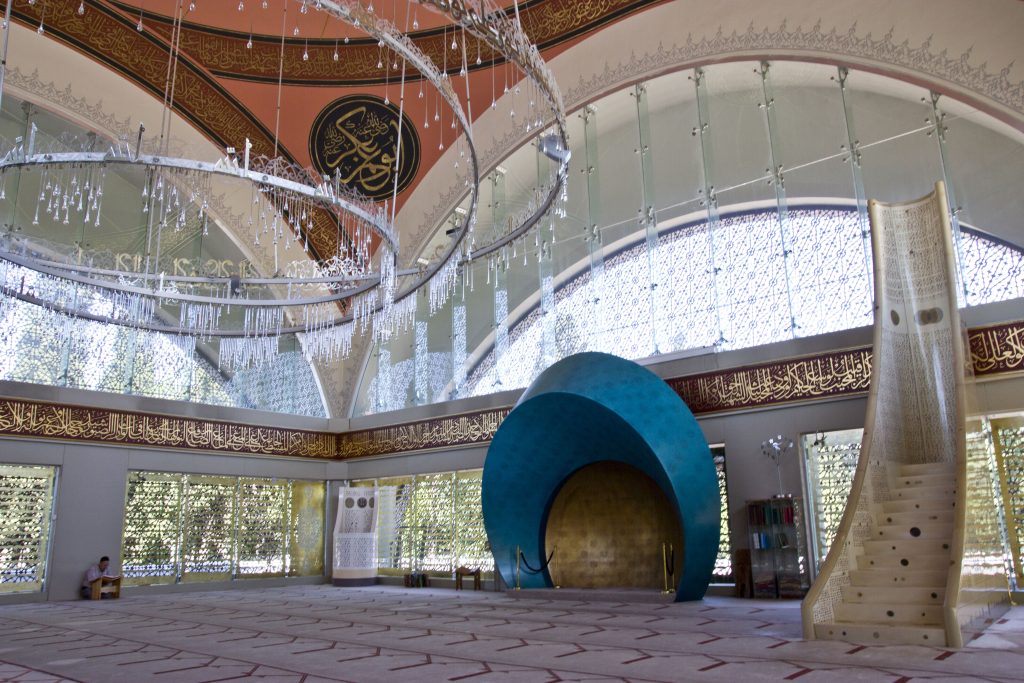
By William Neuheisel from DC, US – Şakirin Mosque, CC BY 2.0, https://commons.wikimedia.org/w/index.php?curid=40530880
The Şakirin Mosque, in Istanbul, is a unique example in contemporary religious architecture.
Its interior was designed by Zeynep Fadıllıoğlu, a Turkish designer who reinterpreted traditional elements of Islamic architecture with contemporary language.
The result is a very bright spiritual space, with a large central chandelier inspired by water droplets, organic shapes and a delicate color palette.
The project was especially relevant because few women had participated until then in the design of religious spaces of this type.
6. Heydar Aliyev Center — Zaha Hadid
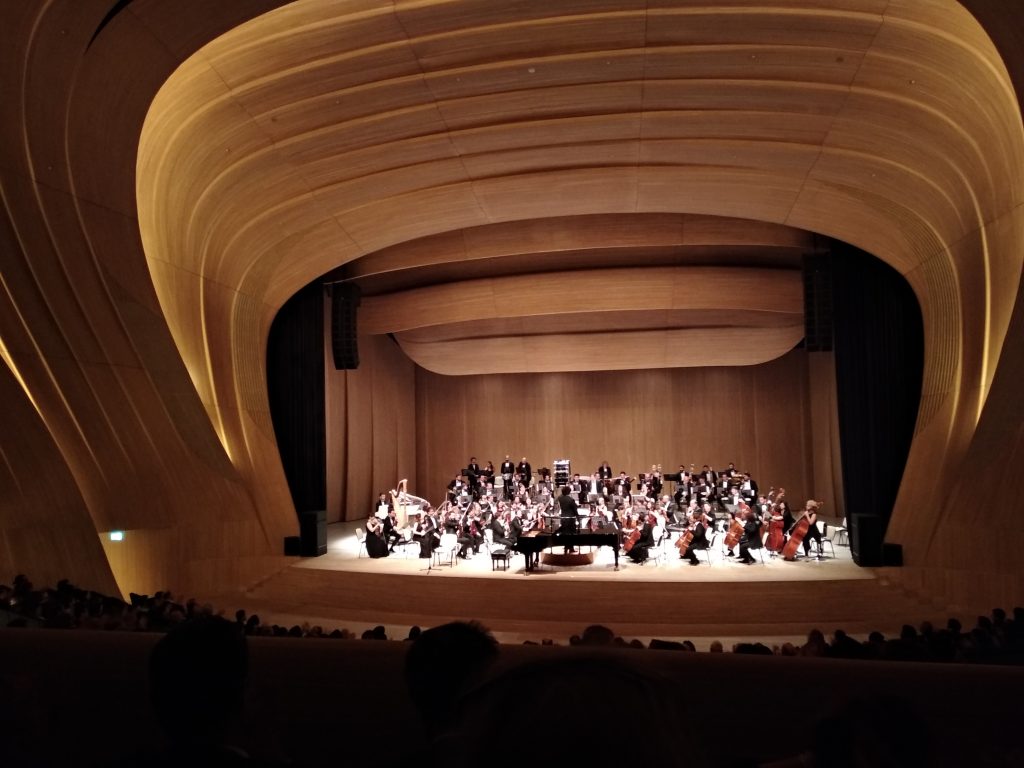
By Emin Allahverdi – Own work, CC BY-SA 4.0, https://commons.wikimedia.org/w/index.php?curid=70029130
Few contemporary buildings are as recognizable as the Heydar Aliyev Center, in Baku, Azerbaijan. The author is Zaha Hadid, one of the most influential architects of recent decades.
The building is famous for its fluid and continuous shapes, which seem to emerge from the ground without angles or straight lines. This organic geometry breaks with the rigidity of traditional institutional architecture and creates a space that invites you to explore it as if it were a landscape.
The cultural center hosts exhibitions, auditoriums, and public spaces, and has become one of the architectural symbols of Baku.
With projects like this, Zaha Hadid demonstrated that architecture can be sculptural, experimental and at the same time functional, redefining the boundaries of contemporary design.
7. Santa Caterina Market — Benedetta Tagliabue
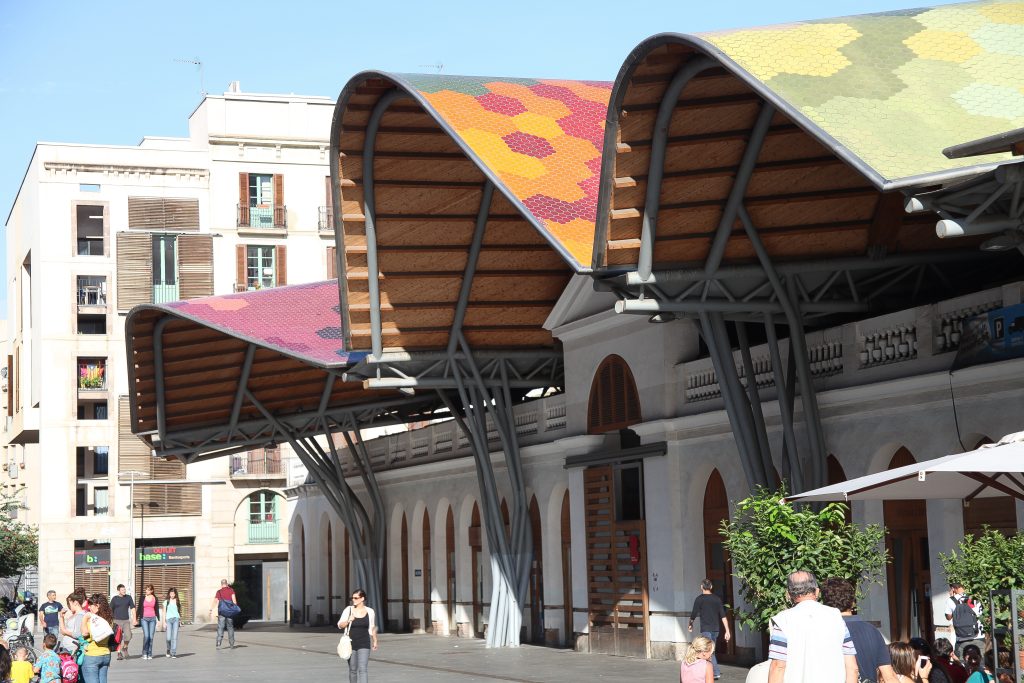
By Rick Ligthelm from Rotterdam, The Netherlands – Barcelona, Spain, CC BY 2.0, https://commons.wikimedia.org/w/index.php?curid=63558227
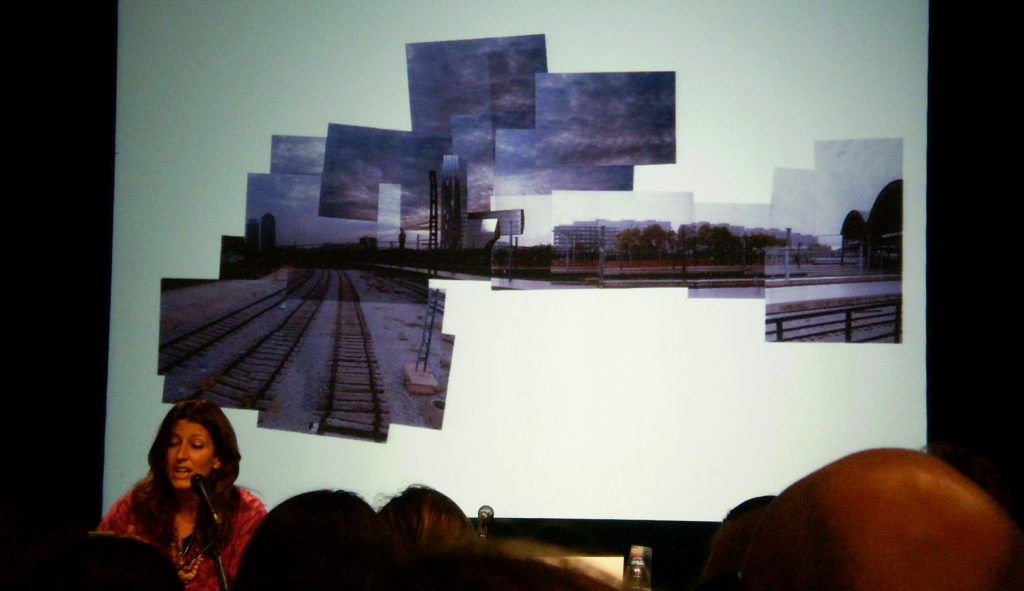
By Cristiano Cani – https://www.flickr.com/photos/cristianocani/2537430982/, CC BY 2.0, https://commons.wikimedia.org/w/index.php?curid=113420990
In Barcelona we have an extraordinary example of contemporary architecture led by a woman: the Santa Caterina Market.
The renovation of the market was directed by the architect Benedetta Tagliabue, from the EMBT studio, continuing the project started with Enric Miralles.
The most recognizable element is its undulating and colorful roof, made up of thousands of ceramic pieces that evoke fresh products from the market.
This project not only transformed the building, but also the relationship between the market, the neighbourhood and the public space, making it a benchmark for urban regeneration in Barcelona.
Looking at the future of architecture
The history of architecture is full of female talent that has long been in the background.
Recovering these figures is not just an exercise in memory. It is also a way of recognising the diversity of perspectives that build the spaces where we live, work and learn.
At Efebé we believe that the design of spaces plays a fundamental role in the way we live together. And this also involves giving visibility to the professionals who have contributed to transforming contemporary architecture.


 05/03/2026
 Grup Efebé